

If you've been wondering why your medical practice or home service website isn't getting the visibility it used to, you're not alone. The game has changed completely in 2025, and traditional SEO just isn't cutting it anymore.
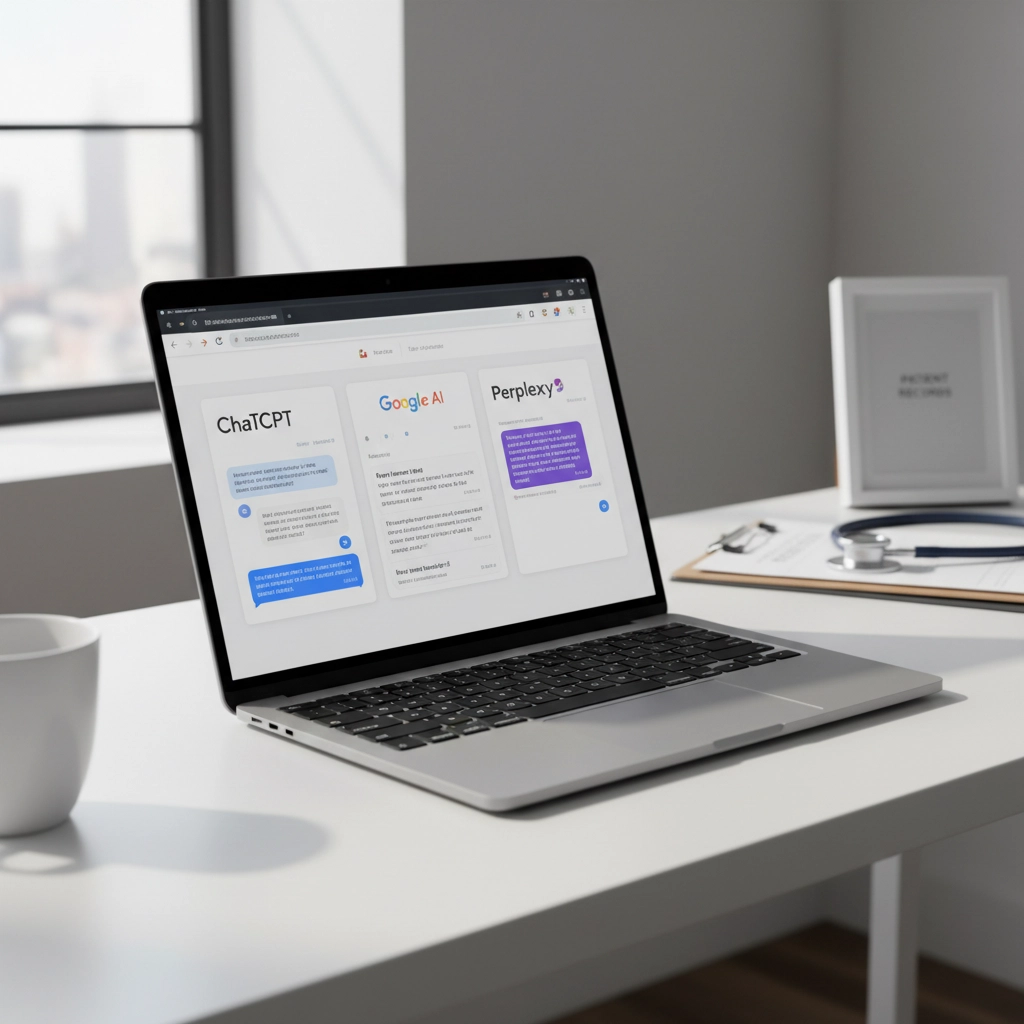
Here's the deal: patients and customers aren't just googling things the old way. They're asking ChatGPT, Google's AI, Perplexity, and other AI tools for answers. And if your website isn't optimized for these AI systems, you might as well be invisible.
That's where Generative Engine Optimization (GEO) comes in. It's the new kid on the block that's making traditional SEO look like a flip phone in the smartphone era.
What Exactly Is GEO?
Think of GEO as SEO's smarter, more sophisticated cousin. Instead of trying to rank on Google's first page, GEO focuses on getting your content featured and cited by AI systems when they generate answers.
When someone asks an AI tool "What are the best treatments for back pain?" or "How do I find reliable home care for my elderly parent?", these systems pull information from various sources to create comprehensive answers. GEO ensures your expertise is what gets selected and referenced.
The magic happens behind the scenes. AI models are trained on massive amounts of data, and they've learned to recognize authoritative, well-structured content. If your medical practice has properly optimized content about back pain treatments, you could be the source that ChatGPT quotes when answering patient questions.
How GEO Differs from Traditional SEO
Let's break down the key differences because they're pretty significant:
Traditional SEO focuses on keywords, backlinks, and getting high rankings on search engine results pages. You optimize for phrases like "family doctor near me" and hope people click through to your website.
GEO focuses on creating content that AI systems want to cite and reference. Instead of optimizing for keyword rankings, you're optimizing for AI inclusion and citation frequency.
Here's what this looks like in practice:
- Traditional SEO: "Best pediatrician in Denver – 5-star reviews"
- GEO: "According to the American Academy of Pediatrics, children should receive comprehensive wellness exams at specific intervals. Our Denver pediatric practice follows these evidence-based guidelines…"
See the difference? GEO content reads more naturally and provides genuine value, while traditional SEO content often feels forced and keyword-stuffed.
Why Medical Websites Can't Ignore GEO in 2025
The healthcare industry has hit a tipping point. Patients are increasingly using AI tools to research symptoms, treatments, and find healthcare providers. If your medical practice isn't showing up in these AI-generated answers, you're missing out on a huge chunk of potential patients.
The Trust Factor
AI systems have been specifically trained to recognize and prioritize authoritative medical sources. They look for content that cites peer-reviewed journals, medical associations, FDA guidelines, and other trusted health organizations. This is actually great news for legitimate medical practices because it means quality beats gimmicks.
When you reference studies from JAMA or quote CDC guidelines in your content, AI systems take notice. They're programmed to trust content that demonstrates real medical expertise over generic health blogs or promotional material.
High-Intent Patient Capture
Here's something interesting: patients using AI tools for health information are often further down the decision-making funnel. They're not just browsing; they're actively seeking solutions. These are the high-intent patients you want to capture.
When someone asks an AI assistant about specific treatment options or symptoms, they're usually ready to take action. By having your practice's expertise featured in those AI responses, you're connecting with patients at exactly the right moment.

Home Service Websites Need GEO Too
Don't think GEO is just for medical websites. Home service companies are facing the same shift in how customers discover and research services.
Consumers searching for home care, repairs, maintenance, or other services are increasingly starting their research with AI tools. They're asking questions like "What should I look for in a home care agency?" or "How do I find reliable plumbers in my area?"
If your home service website isn't optimized for GEO, potential customers are getting AI-generated answers that feature your competitors instead of you. That's lost business walking out the door.
Meeting Modern Consumer Expectations
Today's consumers expect instant, comprehensive answers. AI-powered search delivers exactly that by providing direct answers, service comparisons, and actionable information all in one place. Home service providers who embrace GEO meet customers where they are in their research journey.
How to Implement GEO for Your Website
Ready to get started with GEO? Here are the key strategies that actually work:
1. Create Authority-Based Content
For medical practices, this means citing legitimate medical sources in your content. Reference peer-reviewed studies, medical journals, professional associations, and government health agencies. AI systems are trained to recognize and prioritize this type of authoritative content.
For home service companies, establish authority by referencing industry standards, professional certifications, and best practices from recognized organizations.
2. Structure Content Conversationally
Stop writing like you're filling out a form and start writing like you're answering questions. Format your content as natural Q&A responses that directly address how people actually ask questions.
Instead of: "Diabetes Management Services"
Try: "How can a family doctor help manage my diabetes effectively?"

3. Keep Information Current and Accurate
AI systems prioritize recent, accurate information. This means regularly updating your content to reflect the latest medical research, treatment protocols, service standards, and industry best practices.
Outdated information doesn't just hurt your GEO efforts; it can damage trust with both AI systems and potential patients or customers.
4. Use Structured Data
Make it easy for AI systems to understand and parse your content by implementing proper schema markup. This helps AI tools identify key information like:
- Provider specialties and credentials
- Service areas and types
- Contact information and hours
- Reviews and ratings
The Competitive Advantage of Early GEO Adoption
Here's the reality: most medical practices and home service companies are still focused entirely on traditional SEO. That creates a massive opportunity for early adopters of GEO.
Organizations that start optimizing for AI systems now will build a significant competitive advantage. As AI systems continue learning and training on data, content that gets repeatedly selected and cited builds momentum over time.
Think of it like this: every time an AI system references your practice's expertise, it's essentially a vote of confidence. These "votes" compound, making it more likely your content will be selected in future AI responses.
Looking Ahead: The Future Is AI-First
The shift toward AI-first search isn't a temporary trend: it's the new reality. Medical practices and home service companies that continue focusing only on traditional SEO are essentially fighting for an increasingly smaller piece of the pie.
The organizations thriving in 2025 and beyond are those that understand how to create content that both serves their audience and performs well in AI systems. It's not about gaming the system; it's about genuinely providing value in a format that AI can understand and recommend.
Getting Started Today
You don't need to overhaul your entire website overnight, but you should start incorporating GEO principles into your content strategy now. Begin with your most important service pages and gradually expand your GEO optimization across your site.
Focus on creating content that demonstrates real expertise, answers genuine questions, and provides actionable value. The technical aspects of GEO are important, but they build on this foundation of quality, authoritative content.
The question isn't whether AI-powered search will continue growing: it's how quickly you'll adapt your digital strategy to succeed in this new landscape. The medical practices and home service companies that embrace GEO now are positioning themselves to dominate their markets as this shift accelerates.
Ready to future-proof your website with GEO? The time to start is now, while you can still get ahead of the competition.
