

If you're running a home services business, you've probably been told to follow Google's recommendations to the letter. But what if I told you that some of Google's own advice is actually hurting your rankings?
After working with dozens of home services companies, we've discovered some eye-opening truths about local SEO that most businesses never learn. These aren't just minor tweaks – they're game-changing strategies that can make or break your online visibility.
The Address Hiding Trap That's Killing Your Rankings
Here's the biggest secret Google doesn't want you to know: their own recommendation about hiding your business address is sabotaging your search rankings.
Google tells service area businesses (like plumbers, electricians, landscapers) to hide their physical address for "privacy and security." Sounds reasonable, right? You don't want random people showing up at your office when your team is out on service calls.
But here's what actually happens when you hide your address: your rankings tank. We're talking about massive drops in visibility for your most important keywords.
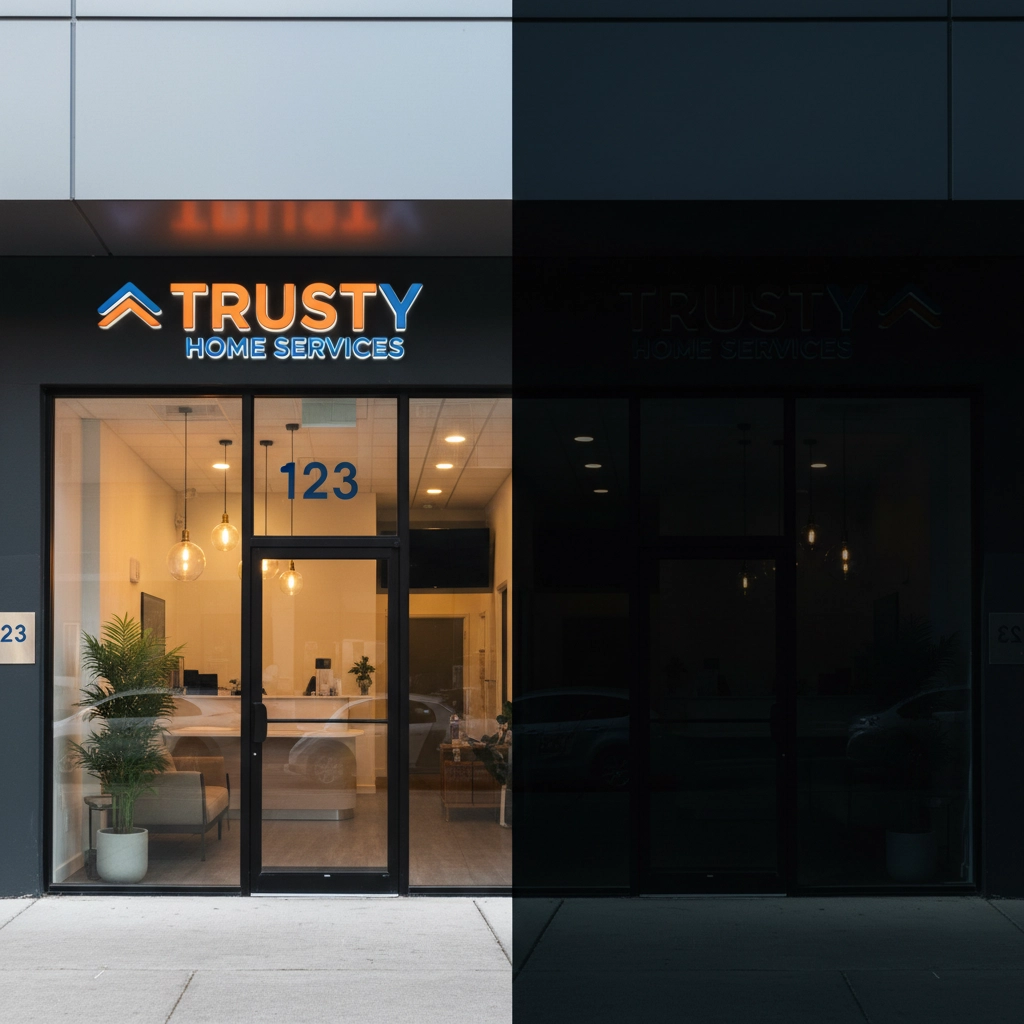
We tested this with multiple clients, and every single time we removed the displayed address (following Google's advice), rankings plummeted within weeks. When we put the addresses back, rankings recovered. It's like Google is telling you to do one thing while secretly rewarding businesses that do the opposite.
Why does this happen? Google's algorithm treats businesses with visible addresses as more established and trustworthy. A hidden address sends mixed signals – you're asking people to trust you with their homes while keeping your own location secret.
The solution: Display your address, but be smart about it. Use your main office or dispatch center address, not your home address. If you're truly concerned about security, consider getting a small office space or using a legitimate business address service.
The Review Collection System That Actually Works
Everyone knows reviews matter, but most home services companies are collecting them all wrong. Here's what works better than asking "pretty please" for reviews:
The Two-Touch System: First touch happens right after you complete the job. Hand them a business card with a QR code that goes straight to your Google review page. Second touch is a follow-up text or email 24-48 hours later with a direct link.
The Magic Words: Instead of saying "if you're happy, please leave a review," try this: "We'd love to hear about your experience – what went well and what we could improve." This removes the pressure and makes people more likely to actually write something.
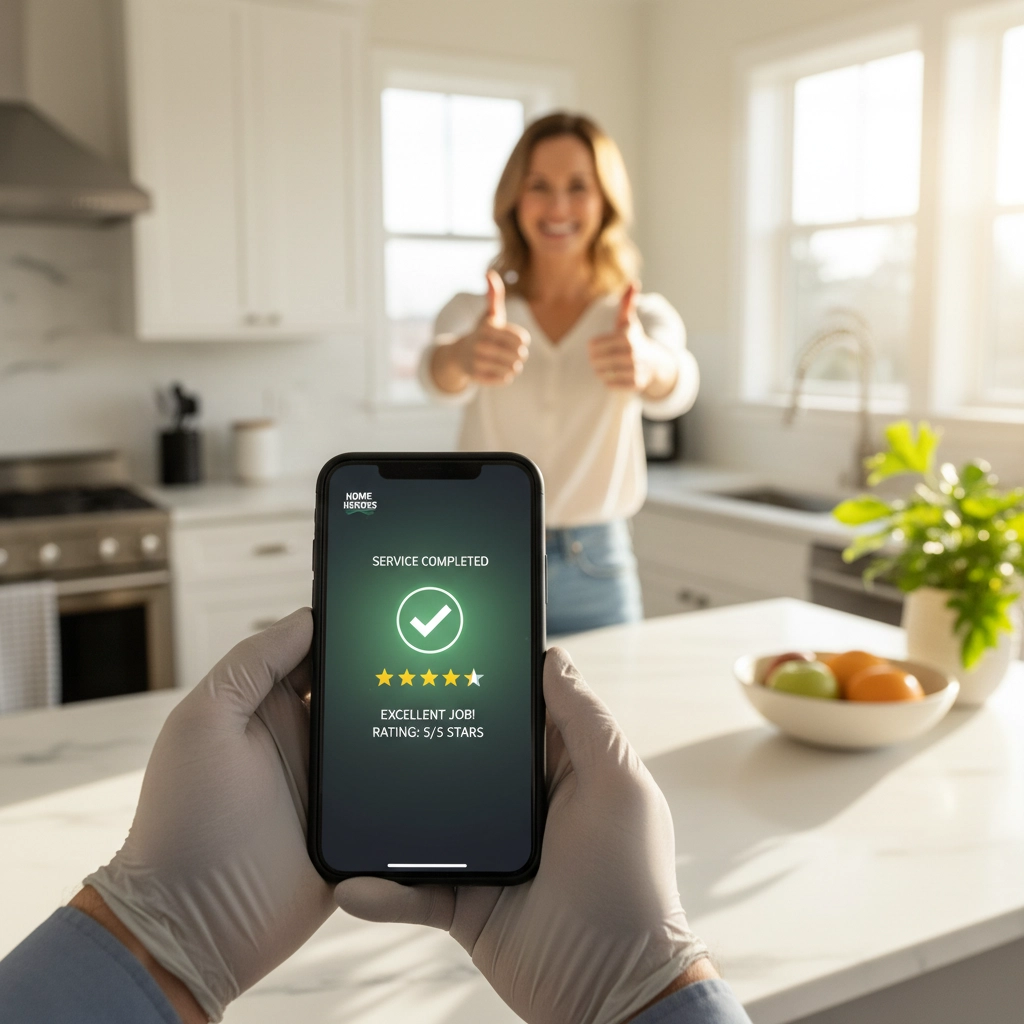
Review Response Strategy: Respond to every review within 24 hours. For negative reviews, acknowledge the issue and offer to make it right. For positive reviews, thank them and mention the specific service they praised. This shows future customers you're actively engaged.
The businesses crushing it with reviews aren't just asking more – they're asking smarter.
The Google Business Profile Mistakes That Cost You Customers
Your Google Business Profile (GBP) is your digital storefront, but most home services companies are treating it like an afterthought. Here are the critical errors we see constantly:
Incomplete Categories: Don't just pick "Plumber" or "Electrician." Add specific services like "Water Heater Repair," "Panel Upgrades," or "Drain Cleaning." Each category gives you more chances to show up in searches.
Boring Business Description: Skip the corporate speak. Instead of "We provide quality plumbing services," try "We fix leaky pipes, unclog stubborn drains, and install new water heaters. Same-day service available."
Missing Attributes: This is huge for home services. Set attributes like "Online appointments," "Free estimates," "Emergency services," and "Accepts credit cards." These show up in search results and help customers choose you over competitors.
Photo Strategy: Most businesses upload random photos. Instead, organize them into categories: before/after shots, your team in action, completed projects, and your vehicles with your branding. Photos with people get 42% more phone calls than photos without.
The Local Keyword Strategy Google Keeps Quiet About
Here's something Google won't tell you: the way people search for home services has completely changed, but most businesses haven't adapted their keyword strategy.
The "Near Me" Revolution: Searches like "plumber near me" have exploded, but here's the kicker – you don't need to stuff "near me" all over your website. Google understands location intent automatically. Instead, focus on specific service + location combinations.
The Long-Tail Goldmine: Instead of fighting for "Denver plumber" (where you'll get crushed by big companies), target specific problems: "burst pipe repair Denver," "bathroom remodel Westminster," or "furnace won't turn on Boulder."
Service Pages That Actually Convert: Create separate pages for each service you offer, targeting the exact phrases people use when they need help. Someone searching "garbage disposal making noise" is way more likely to call than someone just browsing "kitchen plumbing services."
The Citation Consistency Secret Weapon
NAP consistency (Name, Address, Phone) sounds boring, but it's rocket fuel for local SEO. Here's what most businesses miss:
The Devil's in the Details: "123 Main Street" and "123 Main St." look the same to humans, but Google sees them as different addresses. Pick one format and stick to it everywhere.
The Citation Audit Process: Search for your business name + city and see what comes up. You'll probably find old listings with wrong phone numbers or addresses from three moves ago. Clean these up systematically.
Industry-Specific Directories: Don't just focus on the big sites like Yelp. Get listed on HomeAdvisor, Angi, Better Business Bureau, and industry associations. These niche citations carry more weight for home services.
The Local Link Building Strategy That Actually Works
Forget about buying random backlinks. Local link building for home services is about relationships, not transactions.
Community Partnership Approach: Sponsor little league teams, local events, or charity drives. You'll get natural links from event websites and local news coverage, plus you'll actually help your community.
Supplier and Partner Network: Ask your suppliers (lumber yards, parts distributors) if they'll list you on their contractor directory pages. These B2B links are incredibly valuable.
Local Content That Gets Shared: Write about local topics that matter to homeowners in your area. "Preparing Your Denver Home for Winter" or "Common Foundation Issues in Clay Soil Areas" attracts links from local blogs and news sites.
The Mobile Optimization Factor Everyone Ignores
78% of local mobile searches result in an offline purchase, but most home services websites are still stuck in 2015. Your mobile experience needs to be lightning fast and action-oriented.
Click-to-Call Everywhere: Your phone number should be clickable and visible on every page. Make it big, make it obvious, and track those calls.
Speed Is Everything: A 2-second delay in page load time increases bounce rate by 32%. For emergency services, this could mean losing a customer who needs help right now.
The Emergency Services SEO Advantage
If you offer 24/7 emergency services, you have a massive SEO advantage that most businesses waste. Emergency searches convert at incredibly high rates because people need help immediately.
Emergency Content Strategy: Create pages specifically for emergency situations: "Burst Pipe Emergency," "No Heat Repair," "Power Outage Service." These pages should have your phone number multiple times and clear calls-to-action.
Schema Markup for Emergencies: Use structured data to tell Google you offer emergency services. This can help you show up in special emergency search features.
The Seasonal SEO Strategy That Builds Year-Round Revenue
Home services have natural seasonal patterns, but smart businesses use SEO to smooth out the peaks and valleys.
Plan Content Ahead: Start creating "furnace tune-up" content in August, not October when everyone needs heating help. Early content gives you time to rank before the rush.
Off-Season Opportunity: When demand is low for your main service, target complementary services. HVAC companies can target air quality services in spring, plumbers can focus on bathroom remodels in winter.
Taking Action on These Local SEO Secrets
The businesses winning in local search aren't necessarily the biggest or oldest – they're the ones implementing these strategies consistently. Start with your Google Business Profile, fix your address visibility, and build a systematic approach to review collection.
Remember, local SEO isn't a one-time project. It's an ongoing process that compounds over time. The businesses that start now will have a massive advantage over competitors who wait.
Your local customers are searching for your services right now. The question is: will they find you or your competition?
